qunhe

Concept illustration of Carbon Fiber Shipment Sampling: Define the Lot Before Selecting Parts

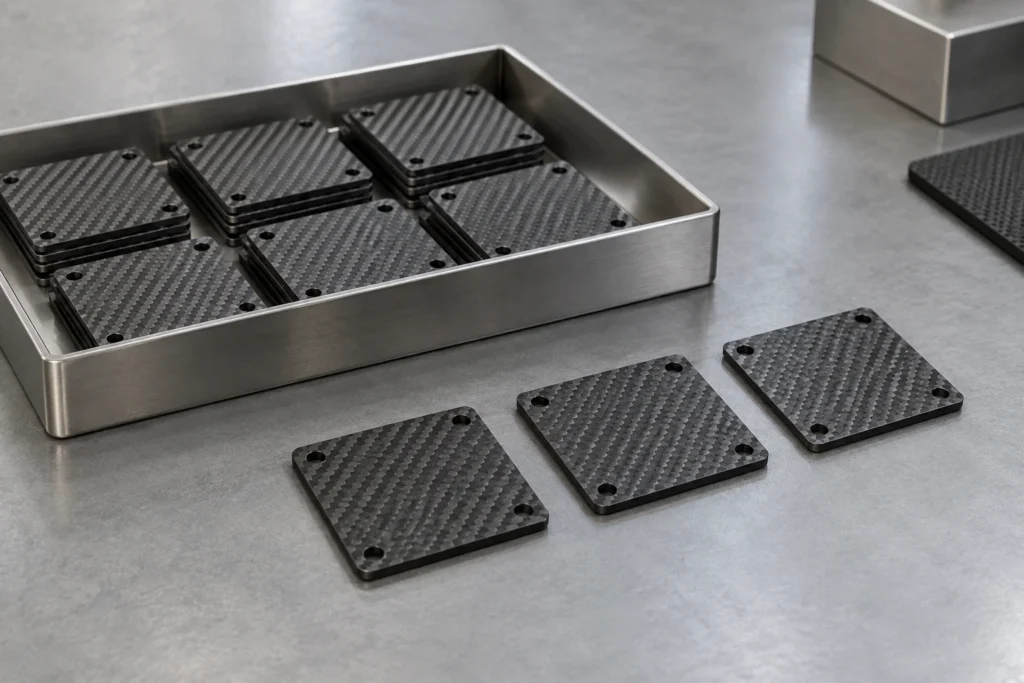
Carbon Fiber Shipment Sampling: Define the Lot Before Selecting Parts

Acceptance sampling needs an identified lot, a specified characteristic and an agreed decision plan. For a carbon fiber shipment, define the population before selecting samples. Checking a convenient handful of parts is not automatically a statistical acceptance plan, and a first-article result does not itself accept every later shipment.

Carbon Fiber Shipment Sampling: Define the Lot Before Selecting Parts Read More »

Concept illustration of Storing Long Carbon Fiber Parts: Agree Supports and Handling Before Delivery

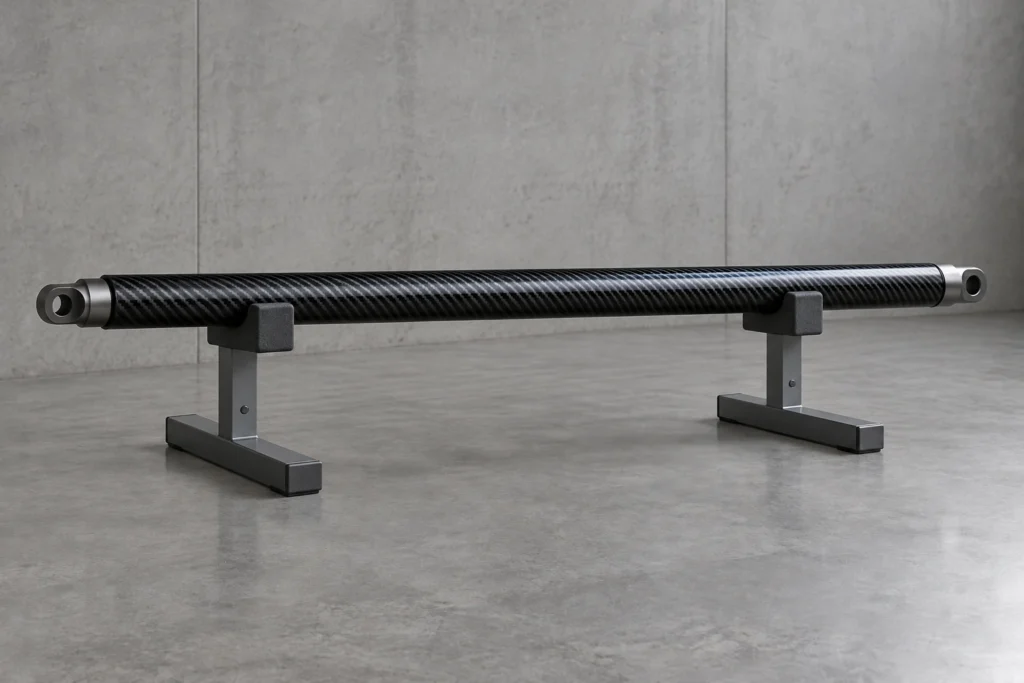
Storing Long Carbon Fiber Parts: Agree Supports and Handling Before Delivery

Long carbon fiber parts need a documented storage and handling arrangement appropriate to their construction and use. Agree support locations, separation and access before delivery. A storage rack is not automatically an inspection fixture, and a part’s appearance on the rack should not become an unsupported geometry or damage conclusion.

Storing Long Carbon Fiber Parts: Agree Supports and Handling Before Delivery Read More »

Concept illustration of Bonded Carbon Fiber Assemblies: Map Adhesive Squeeze-Out and Cleanup Zones

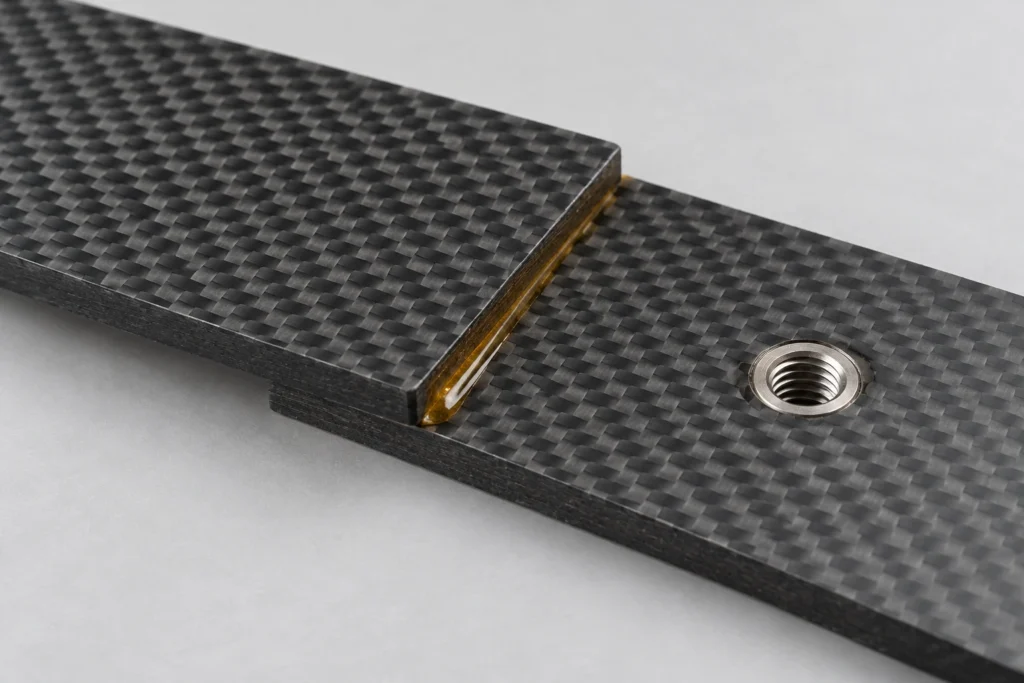
Bonded Carbon Fiber Assemblies: Map Adhesive Squeeze-Out and Cleanup Zones

Adhesive displaced during assembly can reach holes, visible surfaces or service interfaces. Define where squeeze-out is permitted, where surfaces must remain clear and how excess adhesive is handled. A neat external bead does not prove the internal bond is sound, and uncontrolled cleanup can disturb the agreed bonding process.

Bonded Carbon Fiber Assemblies: Map Adhesive Squeeze-Out and Cleanup Zones Read More »

Concept illustration of Carbon Fiber Covers with Seals: Define the Installed Compression Condition

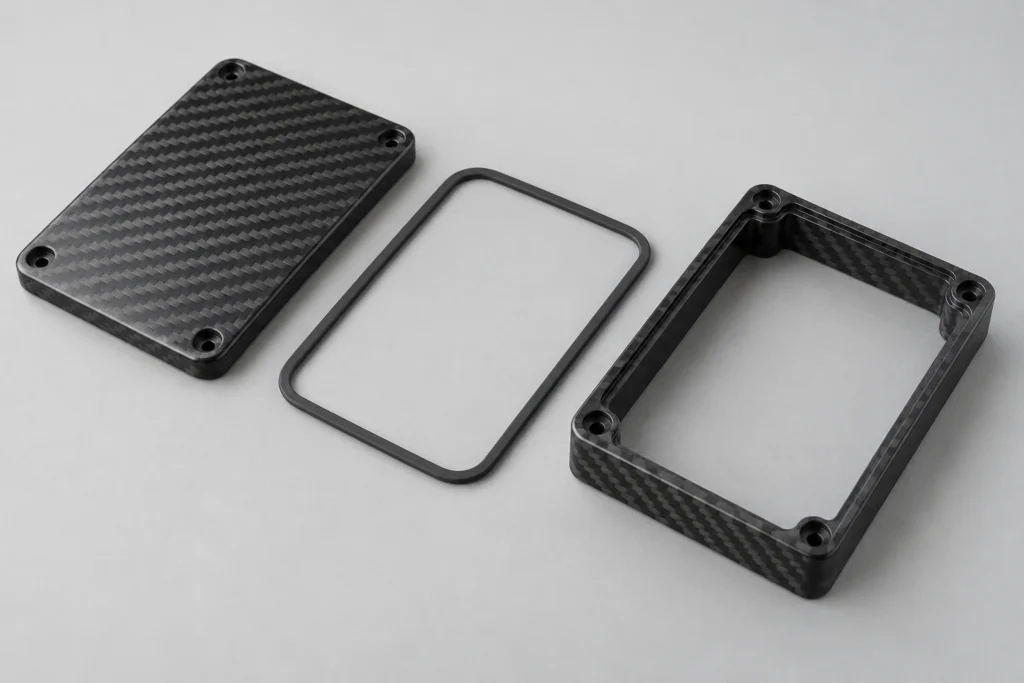
Carbon Fiber Covers with Seals: Define the Installed Compression Condition

A seal fitted to a carbon fiber cover needs a defined installed condition. Specify the seal section, seating geometry, closure features and the requirements set by the seal or equipment designer. A visible gasket or a cover that closes does not establish the intended compression, sealing performance or serviceability.

Carbon Fiber Covers with Seals: Define the Installed Compression Condition Read More »

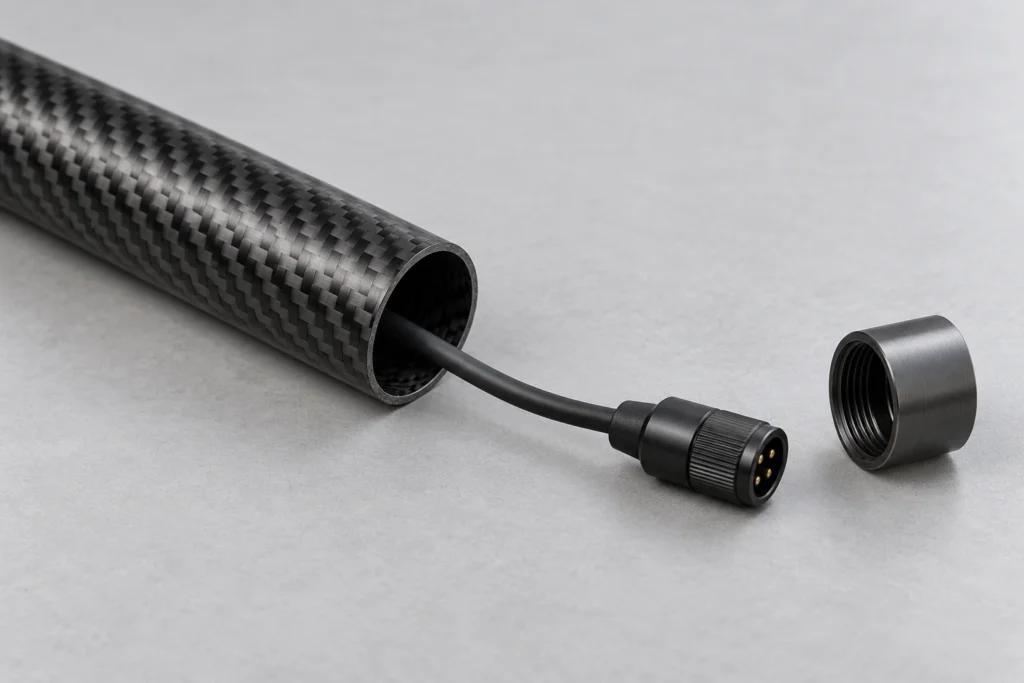
Concept illustration of Cable Routing Through Carbon Fiber Tubes: Check the Complete Installation Path

Cable Routing Through Carbon Fiber Tubes: Check the Complete Installation Path

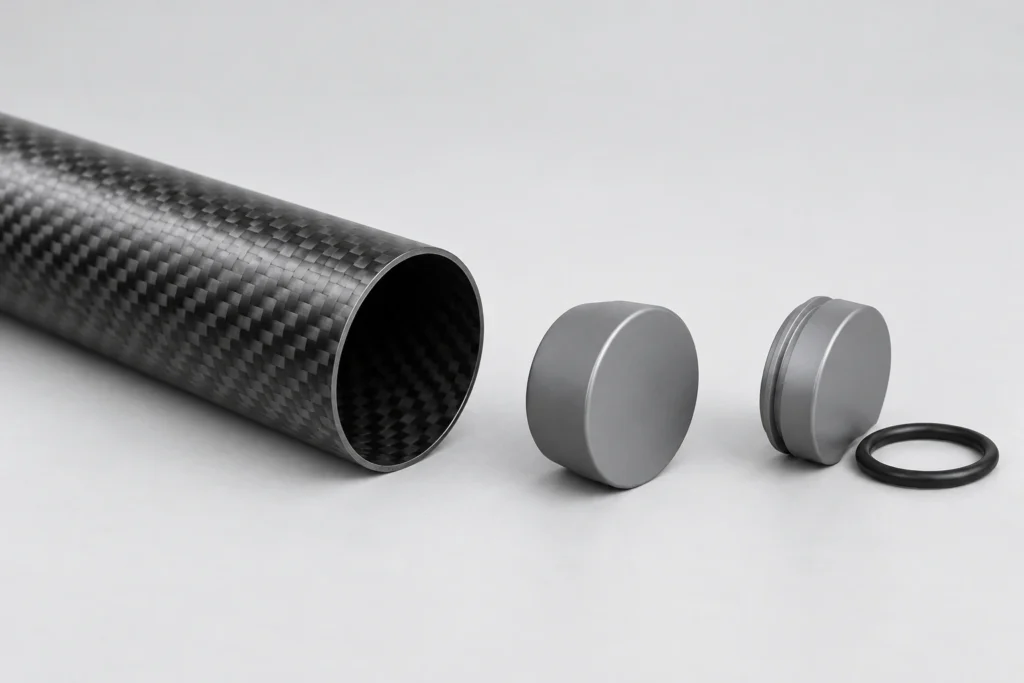
A cable route through a carbon fiber tube must work for installation and service, not only for the cable’s bare diameter. Check the connector envelope, internal route, exits and support points. Define the order in which fittings and cables are installed, and keep electrical protection requirements separate from geometric passage.

Cable Routing Through Carbon Fiber Tubes: Check the Complete Installation Path Read More »

Concept illustration of Fabric Splices in Carbon Fiber Parts: Agree Locations Before Moulding

Fabric Splices in Carbon Fiber Parts: Agree Locations Before Moulding

A carbon fiber fabric splice needs a defined role and location in the proposed laminate. Discuss where pieces meet or overlap before moulding, including any visible-face requirement. A visually continuous weave pattern does not prove reinforcement continuity, and an attractive seam cannot replace approval of the construction.

Fabric Splices in Carbon Fiber Parts: Agree Locations Before Moulding Read More »