
Applications
Start with the application.
Define the component.
Explore how carbon fiber plates, tubes and shaped parts relate to your project. Each application starts with its own interfaces, operating conditions and acceptance requirements.

01 / Application review
Vehicle panels & motorcycle components
Visible surfaces and attachment details need to work together. For a panel, cover or trim enquiry, identify the exact vehicle assembly, surrounding clearances and how the component will be retained.
- Vehicle and mating-part reference
- Outer surface, underside and mounting points
- Heat, weather and service-access requirements
02 / Application review
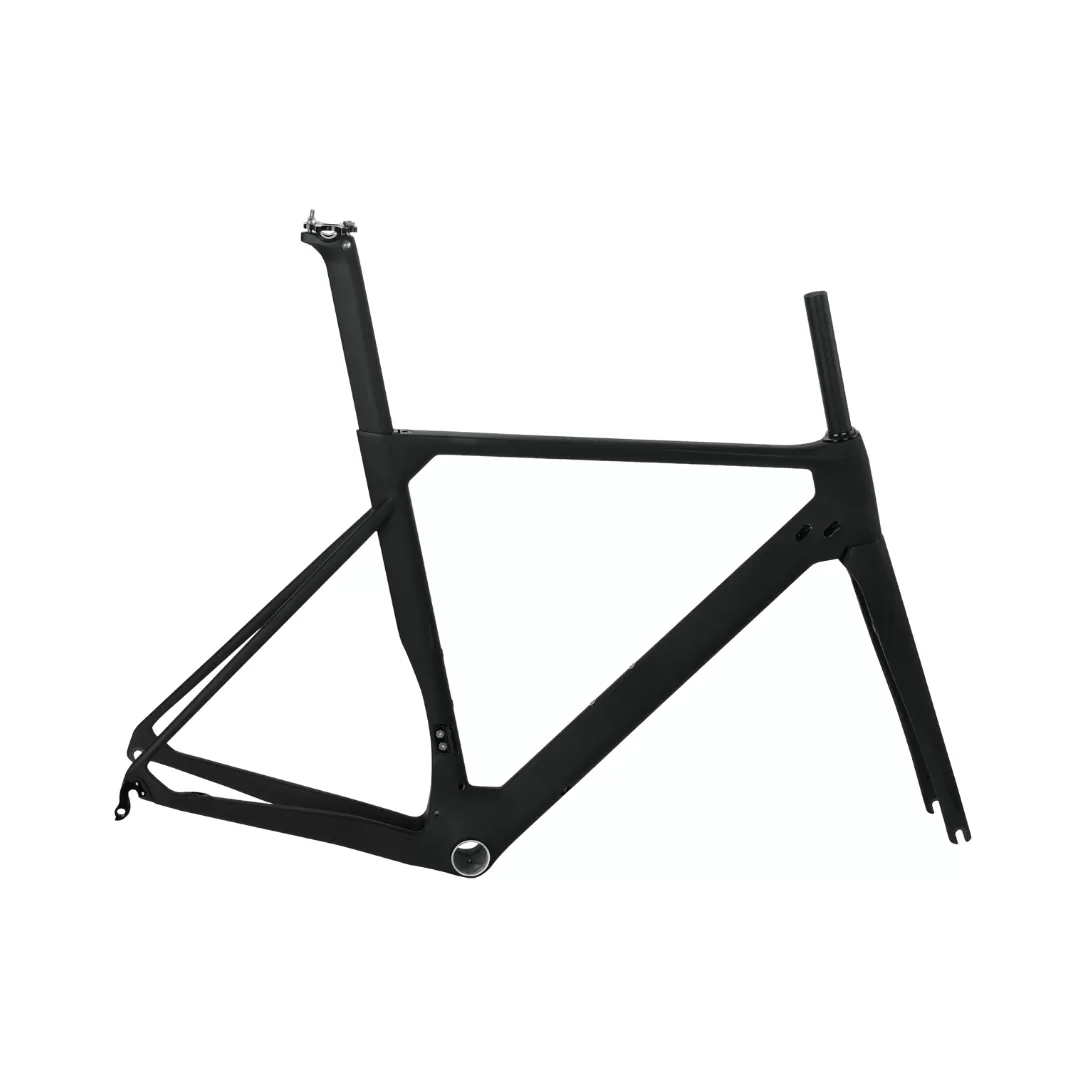
Bicycle frames, cockpits & accessories
Define the complete bicycle configuration before selecting a component. Size, clamp interfaces, routing and wheel or drivetrain compatibility need a common drawing reference.
- Frame or component geometry by size
- Fork, drivetrain, clamp and control interfaces
- Build-specific verification and supplied hardware
03 / Application review
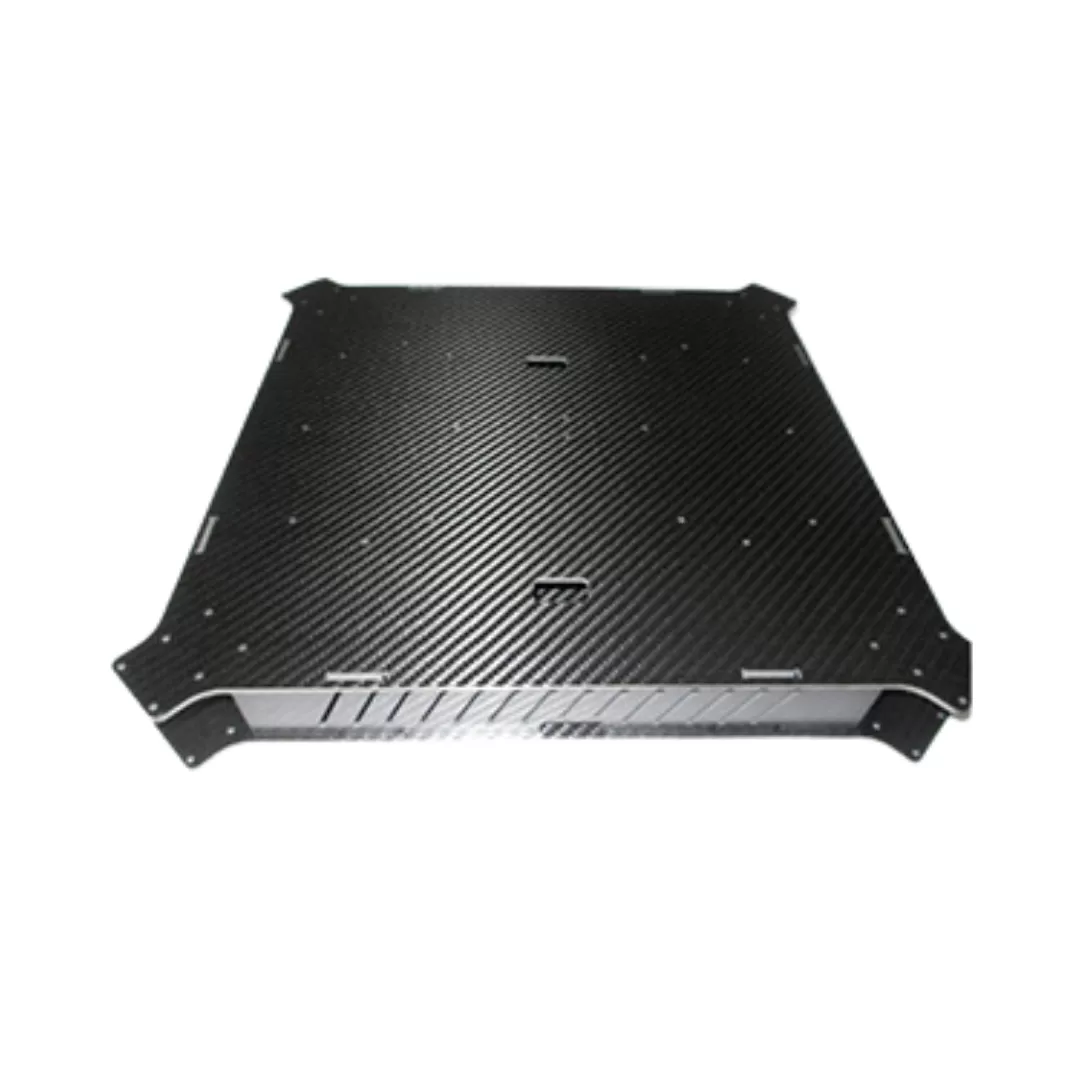
UAVs, robotics & industrial assemblies
Machined plates, trays and tubes can be reviewed as individual parts or as a matched assembly. Show the payload, connectors, wiring path and the space needed for maintenance.
- Mounting pattern, datums and part orientation
- Equipment envelope and connector access
- Electrical isolation and inspection requirements
04 / Application review
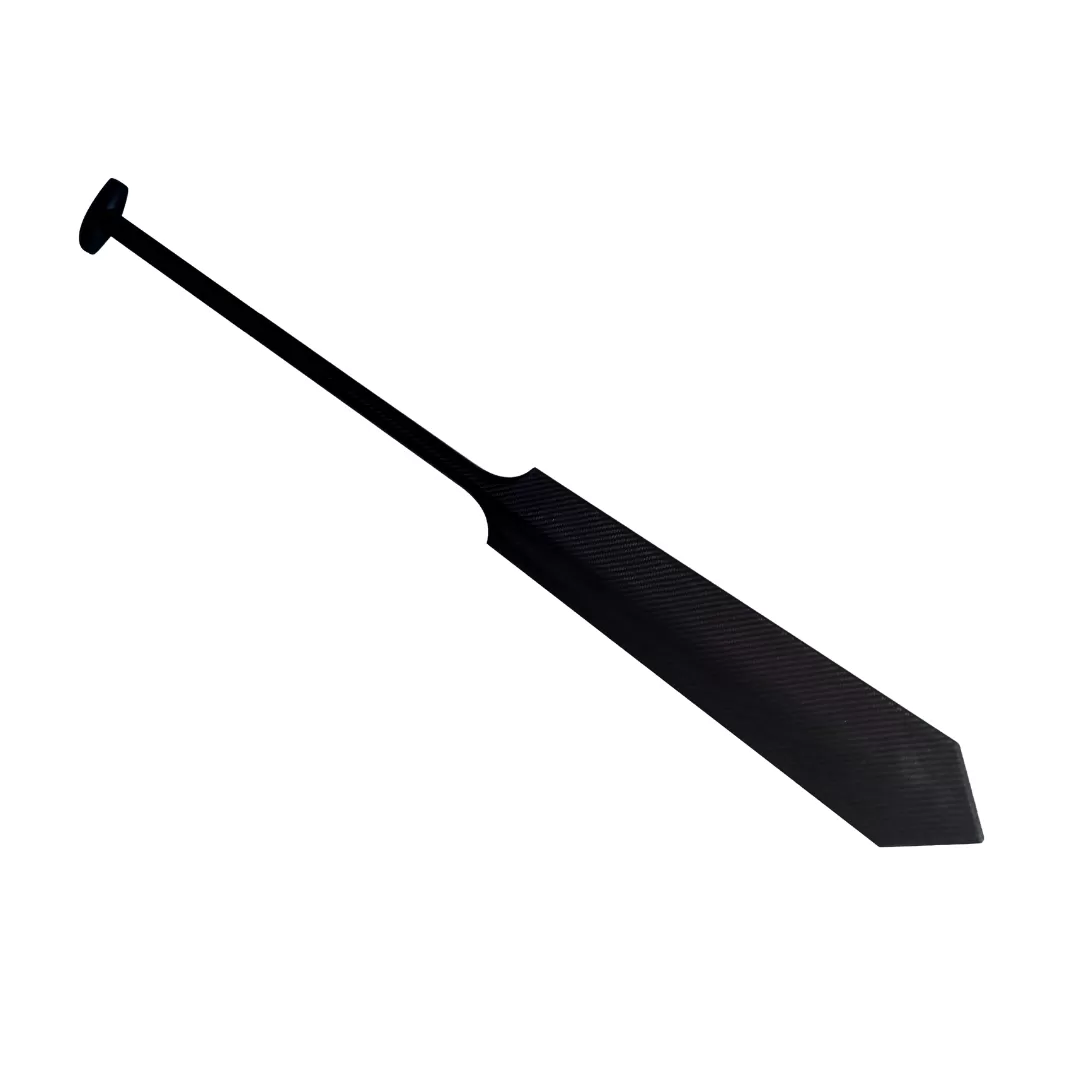
Sport, outdoor & lifestyle products
For a paddle, shell or case, identify the contact surfaces, user-facing finish and mating fittings. Separate the carbon fiber component from electronics, padding, hardware or complete-product approval.
- Outline, grip or contact geometry
- Fittings, closure and assembly scope
- Exposure, appearance and acceptance criteria
Three ways to start a project.
Develop a new part
Start with the space envelope, mating assembly and functions the component must perform. Mark features that are still being developed.
Review a replacement
Compare the complete assembly, including fasteners, supports and service conditions. Changing a material alone does not establish equivalent performance.
Repeat an approved configuration
Identify the approved drawing and sample, then list any changes to quantity, finish, interfaces or acceptance records.
Have a component in mind?
Send a drawing, reference image or outline of the application. Include the quantity and the features that matter for fit and inspection.
Request a project review