
Produzione
A clear route from material to component.
Plates, tubes and shaped parts need different forming routes. Start with the drawing, then connect material preparation, curing, machining and finishing to the features that need to be checked.

Core process routes
Choose the route around the geometry.
| Carbon fiber plates | Material preparation → cutting → lay-up → thermal curing → trimming → machining. |
|---|---|
| Carbon fiber tubes | Mandrel and material preparation → mold setup → rolling → thermal curing → demolding → sanding → painting where specified → machining. |
| Custom-shaped components | Tool and material preparation → lay-up → mold setup → thermal curing → demolding → trimming and finishing → machining. |
Process overview based on our company introduction. The detailed route and finishing operations are selected for the agreed part design.
Connect each stage to a clear requirement.
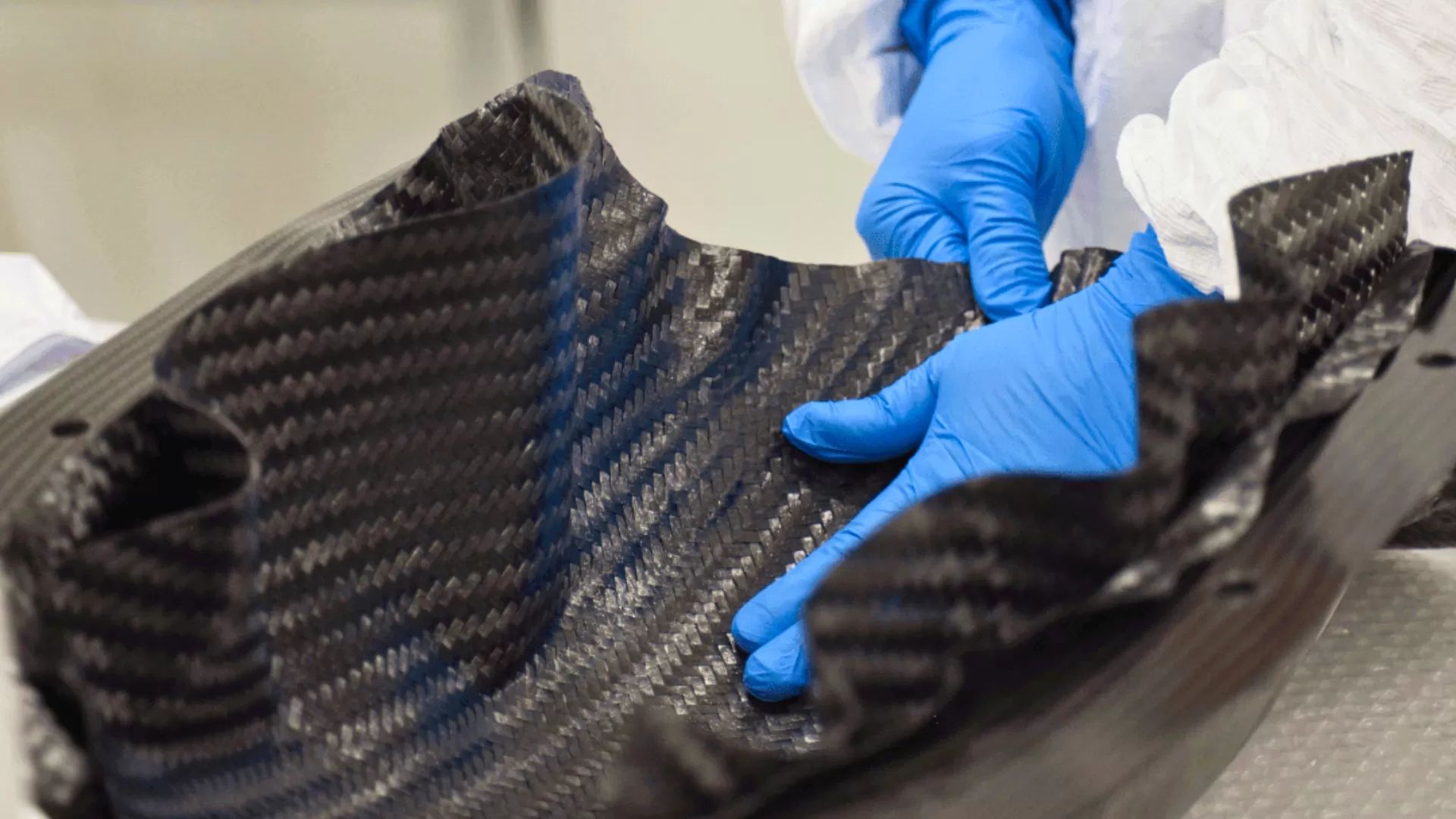
01 / Prepare the material
Identify the material system, drawing revision and cutting pattern before lay-up. Keep the visible face and part orientation clear where these affect appearance or assembly.

02 / Form the part
Flat lay-ups, rolled tubes and shaped lay-ups use different tooling. Review parting features, access for demolding and the faces that will be machined after curing.

03 / Cure and release
Curing conditions follow the selected material and process. After demolding, review the component before downstream cutting and finishing.
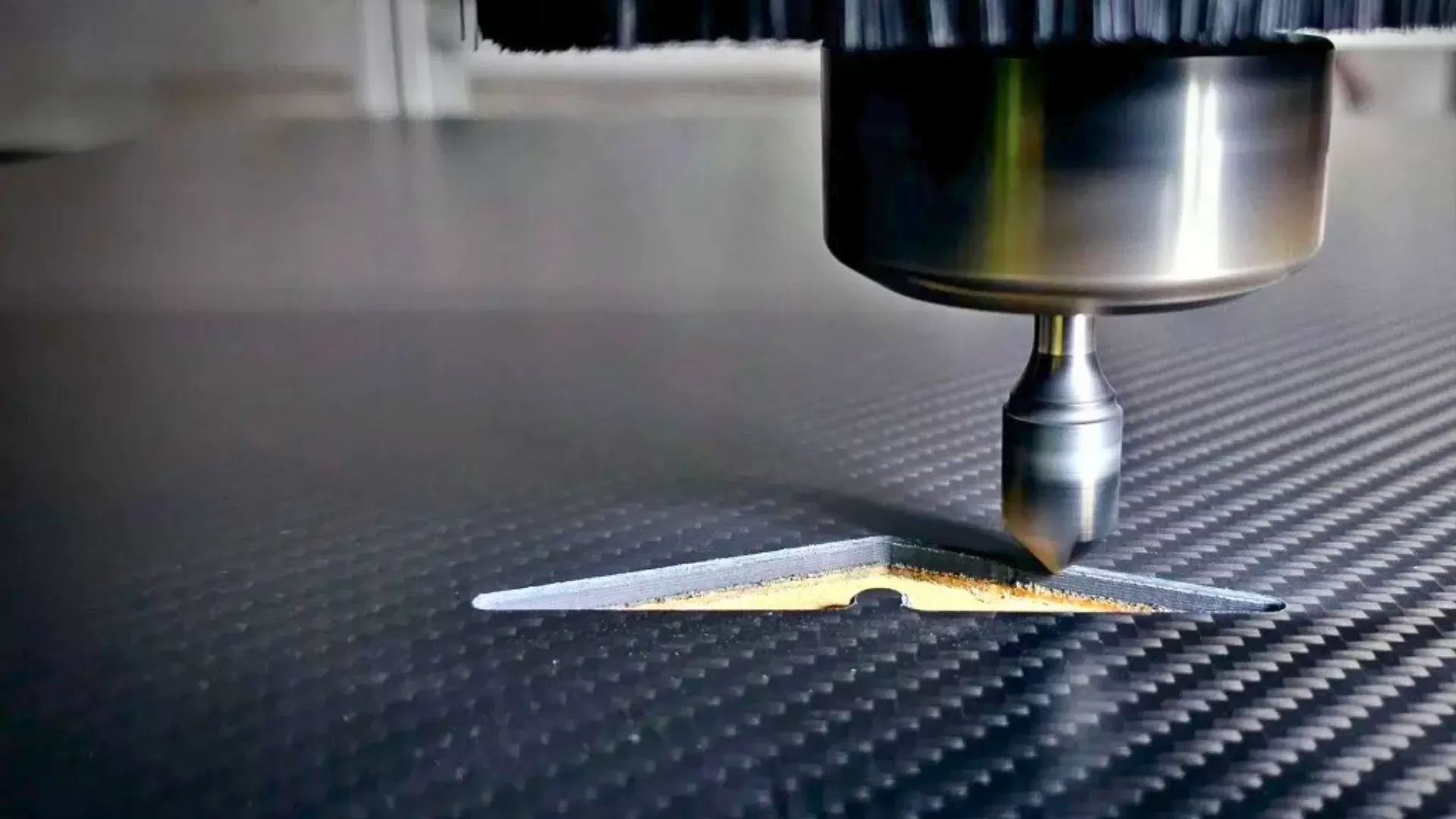
04 / Machine and finish
Define hole positions, slots, edge conditions and appearance zones on the drawing. Keep machining requirements separate from finish preferences and agree the inspection references.
Plan the sample review before production.
Fit & dimensions
Identify datums, mating features and dimensions that control assembly. Agree the measurement method and how results should be recorded.
Appearance & finish
Mark visible faces and cosmetic zones. Use a finish reference for gloss, texture and edge appearance rather than relying on a product photograph alone.
Records & release
State the reports or material records you need. Keep the approved sample, drawing revision and any exceptions together when releasing the configuration.
Common manufacturing questions.
Can holes and slots be included in the component?
Include them in the drawing with dimensions, datums and edge requirements. The team can review the machining scope alongside the part construction and assembly.
What tolerance can be achieved?
Provide the tolerance needed for each critical feature and its measurement method. Feasibility depends on the geometry and process; a single tolerance should not be assumed for every component.
What should be agreed before tooling or samples?
Resolve the drawing revision, material and surface requirements, tooling scope, sample quantity, inspection plan and acceptance responsibilities.
Share the drawing. Define the process scope.
Send a drawing, reference image or outline of the application. Include the quantity and the features that matter for fit and inspection.
Request a project review