
Custom Manufacturing / Purchasing guide
A surface sample becomes useful when it has an identity, an agreed purpose and defined viewing conditions. Without those controls, “match the approved finish” can mean different things to different people. Establish what the sample approves and what still depends on the drawing, material specification or separate inspection plan.
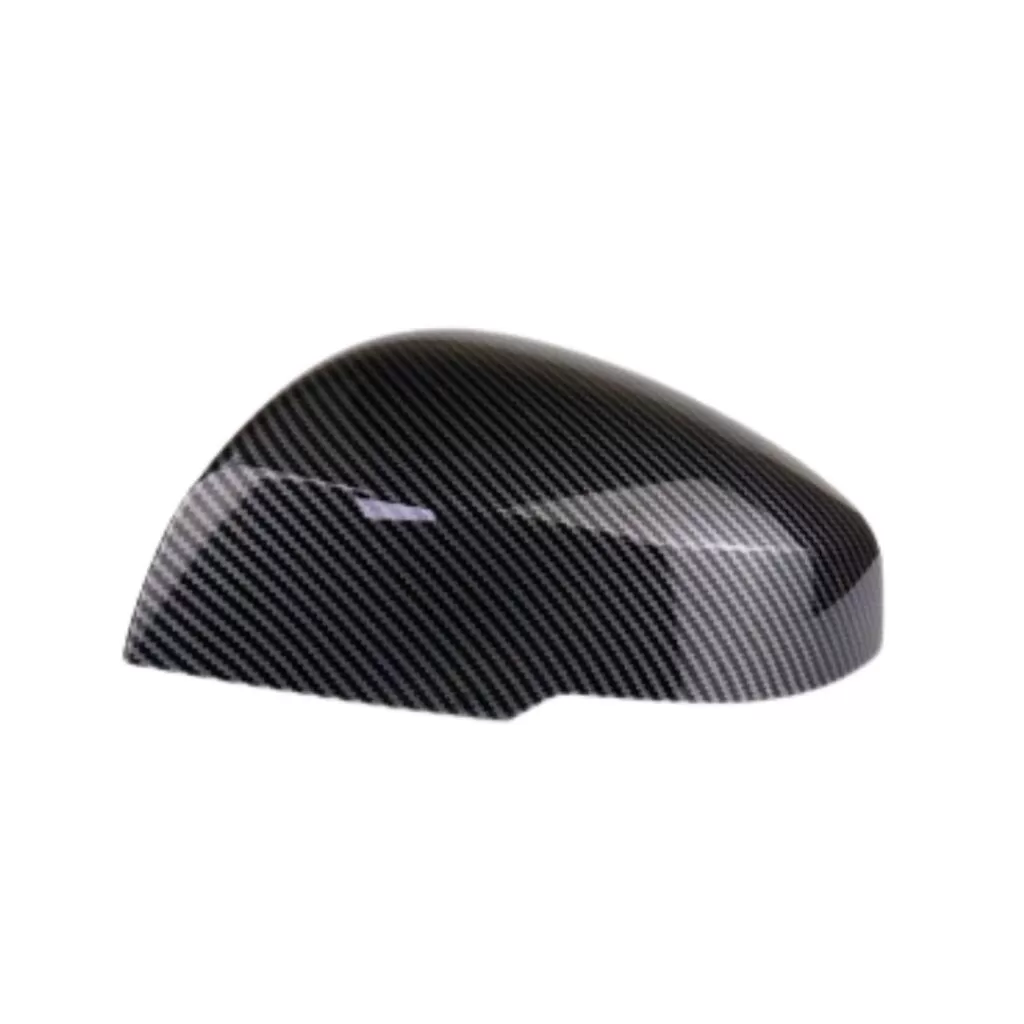
Catalogue reference image. Confirm the quoted configuration against the agreed drawing.
Give the sample a controlled identity
Record the sample number, date and related drawing revision. Photograph it for identification, but keep the agreed reference available where required. Identify the face and area that represent the intended finish. A sample with several different surface conditions should not be used without saying which condition is the reference.
Define what is being compared
Discuss gloss, visible weave direction, colour impression and any permitted cosmetic variation relevant to the project. Establish observation conditions suitable for the requirement. Do not use a surface approval as an implied acceptance of dimensions or mechanical performance; those require their own checks.
Carry the approval into the next order
Reference the approved sample in the purchase documentation and record any later changes. If the original reference is damaged or unavailable, agree a replacement before judging a new batch against memory. Keep rejected and superseded samples clearly separated from the current approval reference.
Information to include in your enquiry
| Review item | Information to provide |
|---|---|
| Identity | Sample ID and related drawing revision |
| Scope | Exact face and finish characteristics approved |
| Comparison | Reproducible viewing conditions |
| Control | Current reference and superseded samples separated |

Frequently asked questions
Can a finish approval cover material changes?
Not automatically. Material and construction changes require their own review.
What if the retained sample has aged or been damaged?
Agree a replacement reference and document it rather than silently changing the acceptance standard.
Discuss your carbon fiber component
Send your drawing revision, intended application, quantity and acceptance requirements to Litian Yunde for a project review.