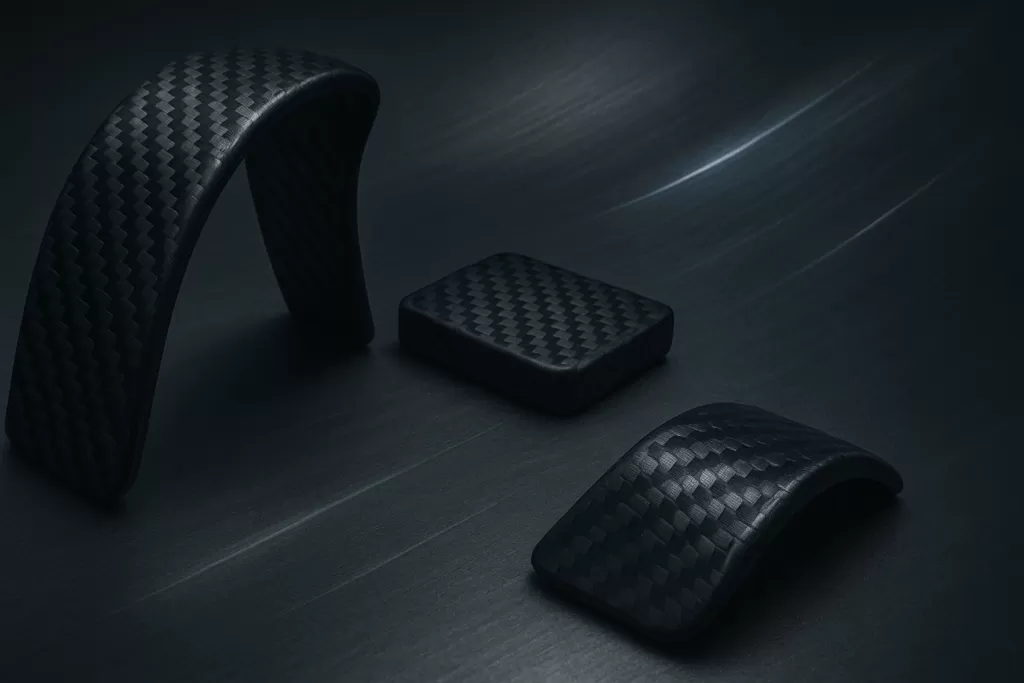
Carbon fiber has become a buzzword in the aerospace industry, often associated with high performance and lightweight structures. However, it is essential to understand how carbon fiber actually performs in aerospace applications.
Carbon fiber is known for its high strength-to-weight ratio, which makes it an excellent material for aircraft components. Its low density contributes to reduced weight, leading to improved fuel efficiency and overall performance. Furthermore, carbon fiber exhibits excellent fatigue resistance, ensuring durability over extended periods of use.
In addition to its mechanical properties, carbon fiber can be molded into complex shapes, allowing for innovative designs in aircraft engineering. This flexibility enables manufacturers to create components that were previously impossible to produce with traditional materials.
However, it is crucial to consider the challenges associated with carbon fiber. The manufacturing process can be costly and time-consuming, which may impact overall production schedules. Additionally, repair processes for carbon fiber components can be more complex compared to metals.
In conclusion, while carbon fiber offers numerous advantages in aerospace applications, it is vital to weigh the benefits against the challenges. Understanding its properties and potential issues will help manufacturers make informed decisions when integrating carbon fiber into their designs.