碳纤维零件中的嵌件:定义嵌件及其位置
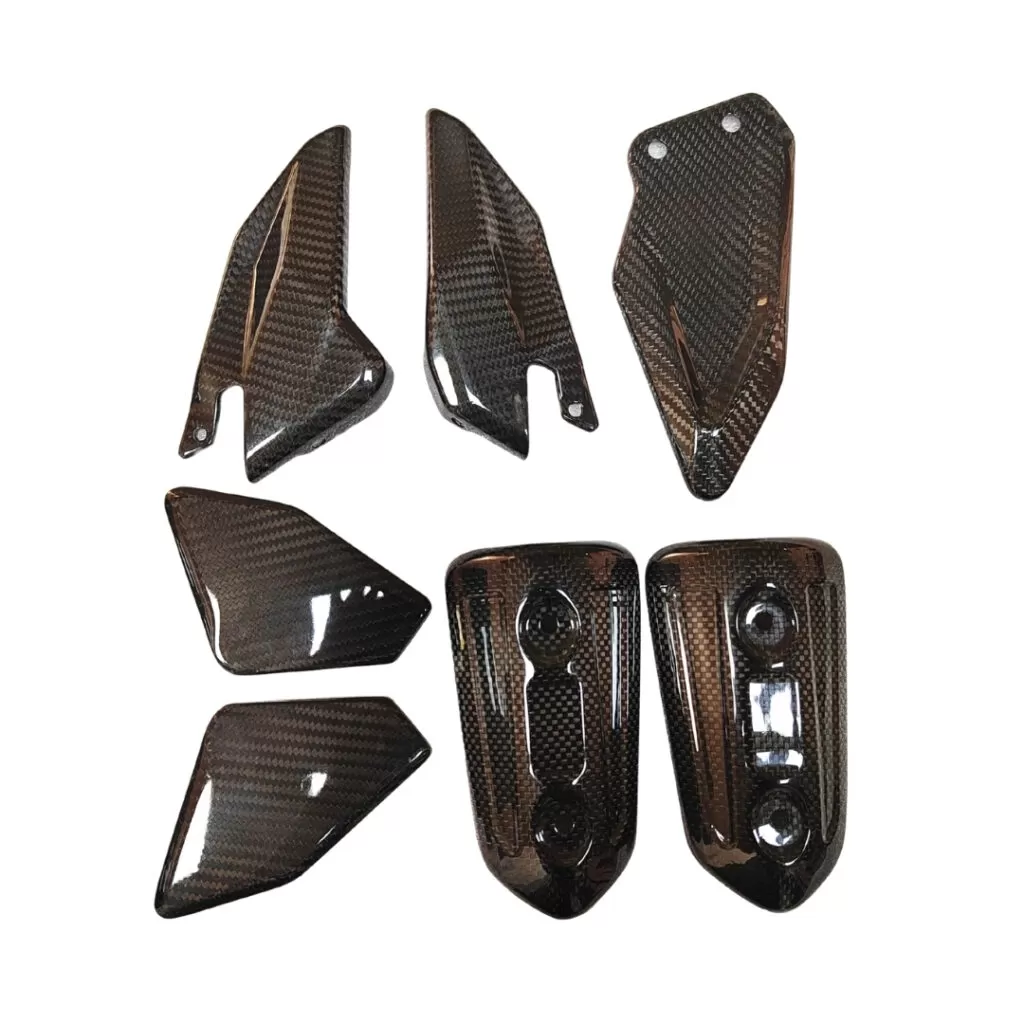
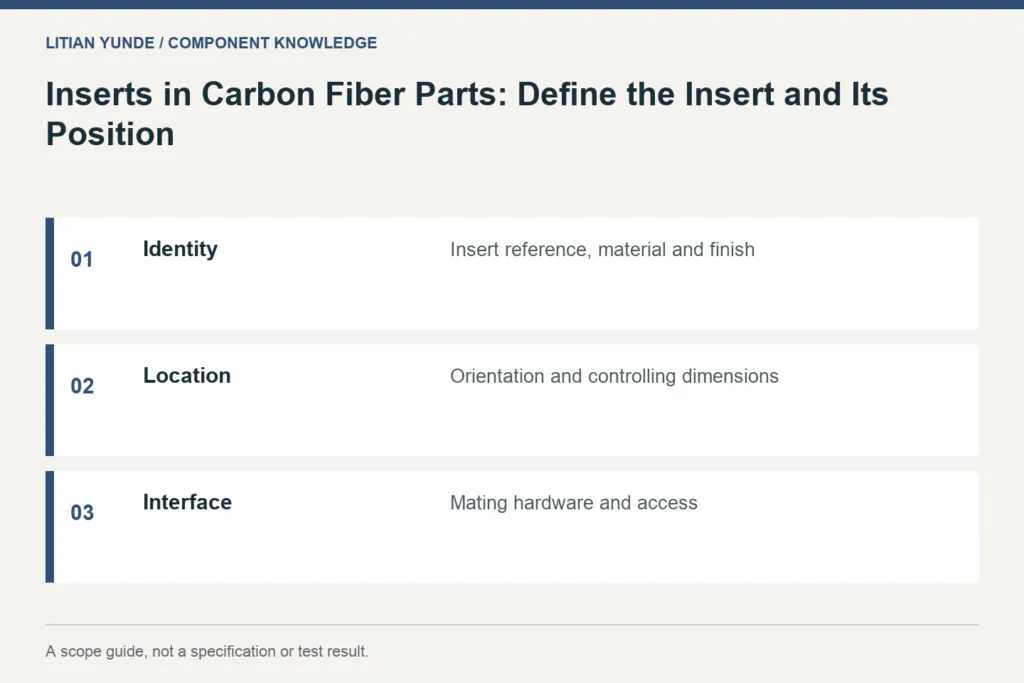
An insert requirement should identify the insert itself, its position, the mating hardware and how the completed interface will be accepted.
Composite manufacturing and tooling development: mould geometry, fabric forming, process surfaces, sample preparation and controlled production changes.
An insert requirement should identify the insert itself, its position, the mating hardware and how the completed interface will be accepted.
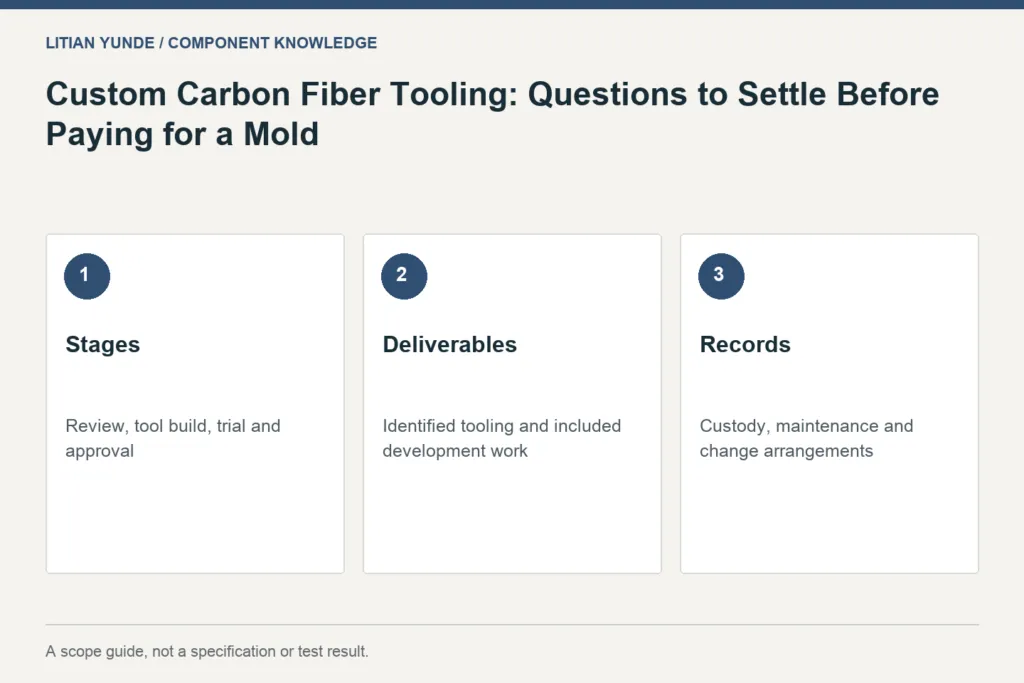
Before ordering tooling, agree what the tooling deliverable includes and how the approved part geometry will be controlled.
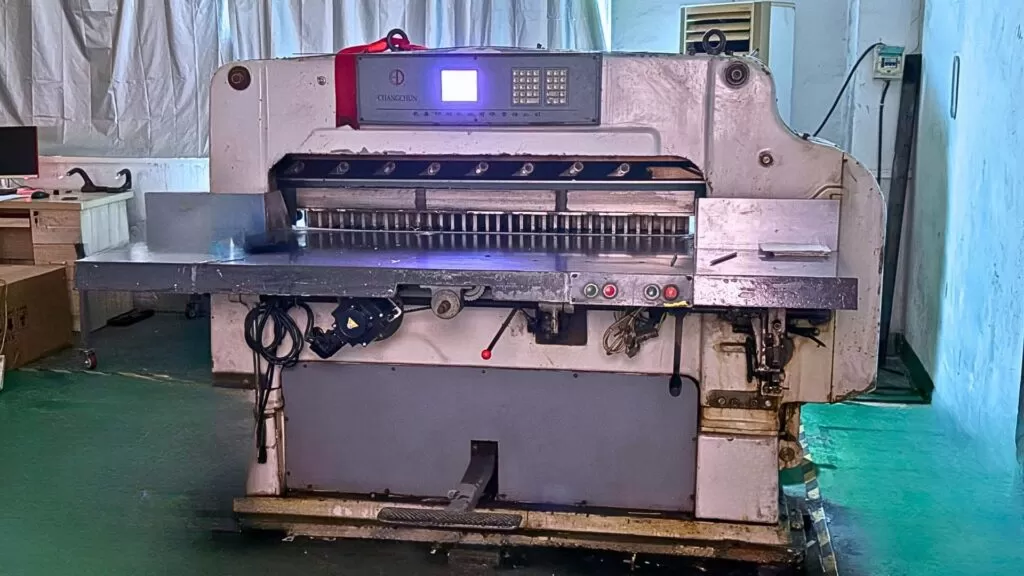
Composite scrap should be described by its actual form. Dry reinforcement offcuts, uncured prepreg and cured laminate are different waste streams, and a recovery route that accepts one may not accept the others.

A new carbon fiber process is worth evaluating when it solves a defined production or part problem. Start with a comparison plan rather than a broad promise of innovation.
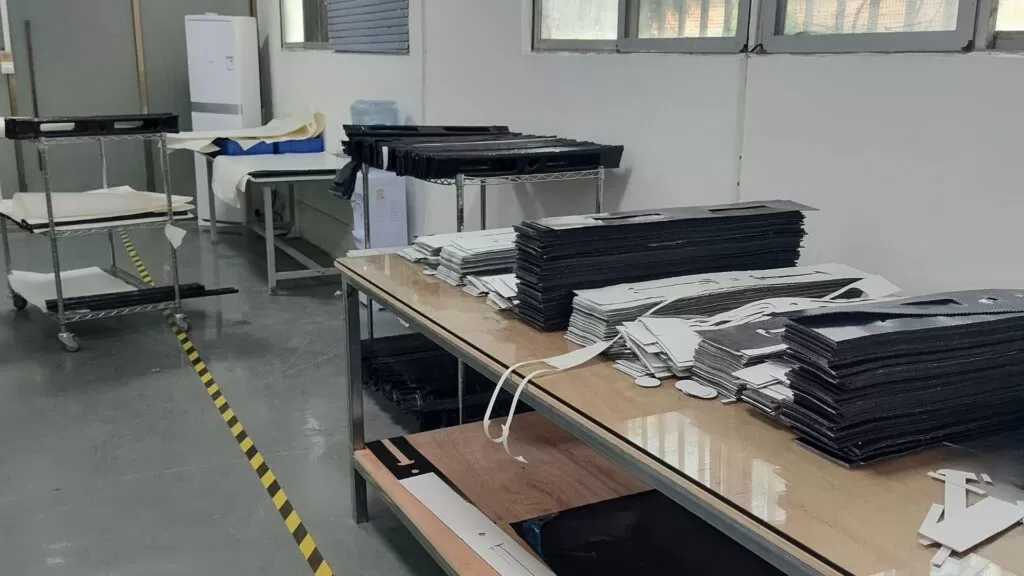
A manufacturing-waste claim needs a defined input and output record. Measure the actual material stream before describing a process as low-waste or comparing it with another production route.

A prototype review should answer specific questions about the proposed automotive part. Decide those questions before ordering the sample so the result leads to a clear next action.

A bicycle-frame manufacturing review should connect the drawing, material specification and process records. Photographs of moulding or finishing can explain a process stage, but they do not establish the properties of every finished frame.
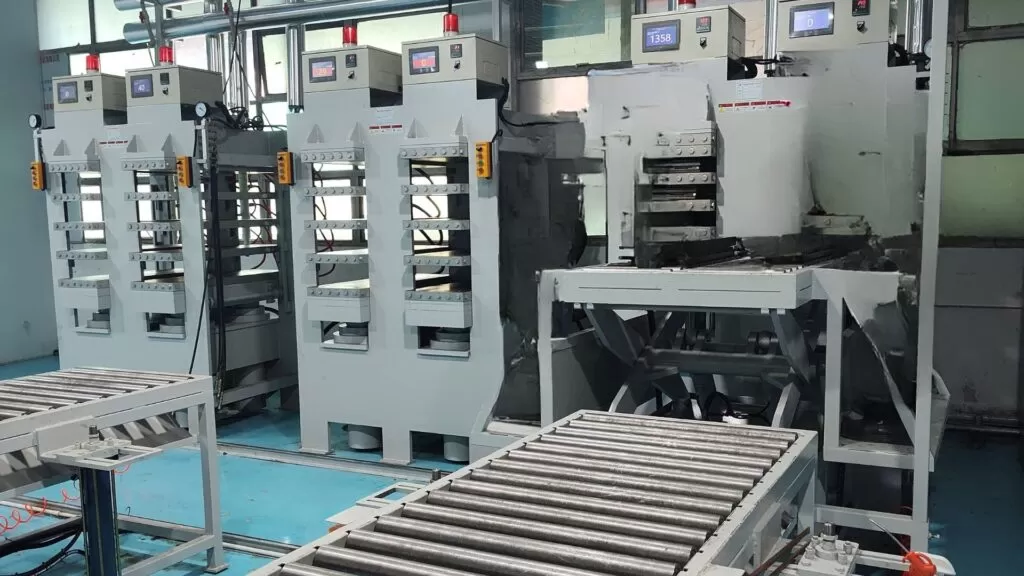
A carbon fiber manufacturing enquiry should name the proposed process and the supplied part, rather than assuming that all carbon components are made in the same way. The route needs to fit the geometry, material system and order requirements.