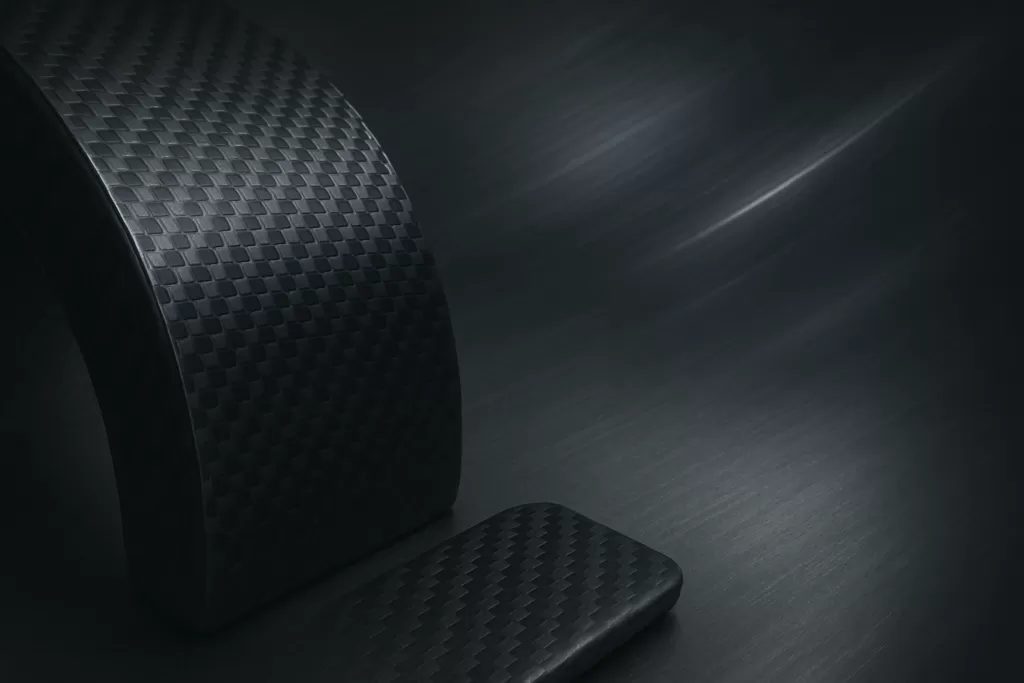
Carbon fiber has become a crucial material in the aerospace industry, particularly for defense applications. Its lightweight nature combined with high strength and stiffness makes it an ideal choice for aircraft components. This article will explore the advantages of carbon fiber and its role in addressing modern defense challenges.
One of the primary benefits of carbon fiber is its weight-to-strength ratio. By using carbon fiber in aircraft design, manufacturers can reduce the overall weight of the aircraft, leading to improved fuel efficiency and increased payload capacity. This is particularly important in defense scenarios where every ounce counts.
Moreover, carbon fiber exhibits excellent fatigue resistance and durability. In military applications, where equipment is subjected to extreme conditions, the resilience of carbon fiber ensures that components maintain their integrity over time, reducing maintenance costs and increasing operational readiness.
In addition to its physical properties, carbon fiber also allows for greater design flexibility. Engineers can create complex shapes and structures that were previously impossible with traditional materials. This innovation enables the development of advanced aerodynamic designs, enhancing overall performance.
In summary, carbon fiber is a smart choice for modern defense challenges due to its lightweight, strength, durability, and design flexibility. As the aerospace industry continues to evolve, the adoption of carbon fiber will likely play a pivotal role in the future of military aircraft design.